

What changes in your life when you host a peer from another country and share not only your home but also your classroom and school desk with someone whose everyday life has suddenly changed, too?
The student exchange between Classes 11 offers young people an opportunity to share their everyday experiences and discover each other’s worlds.
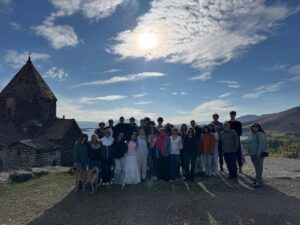
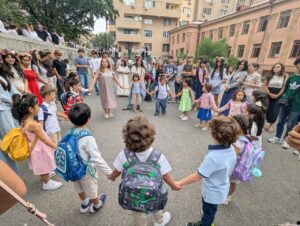
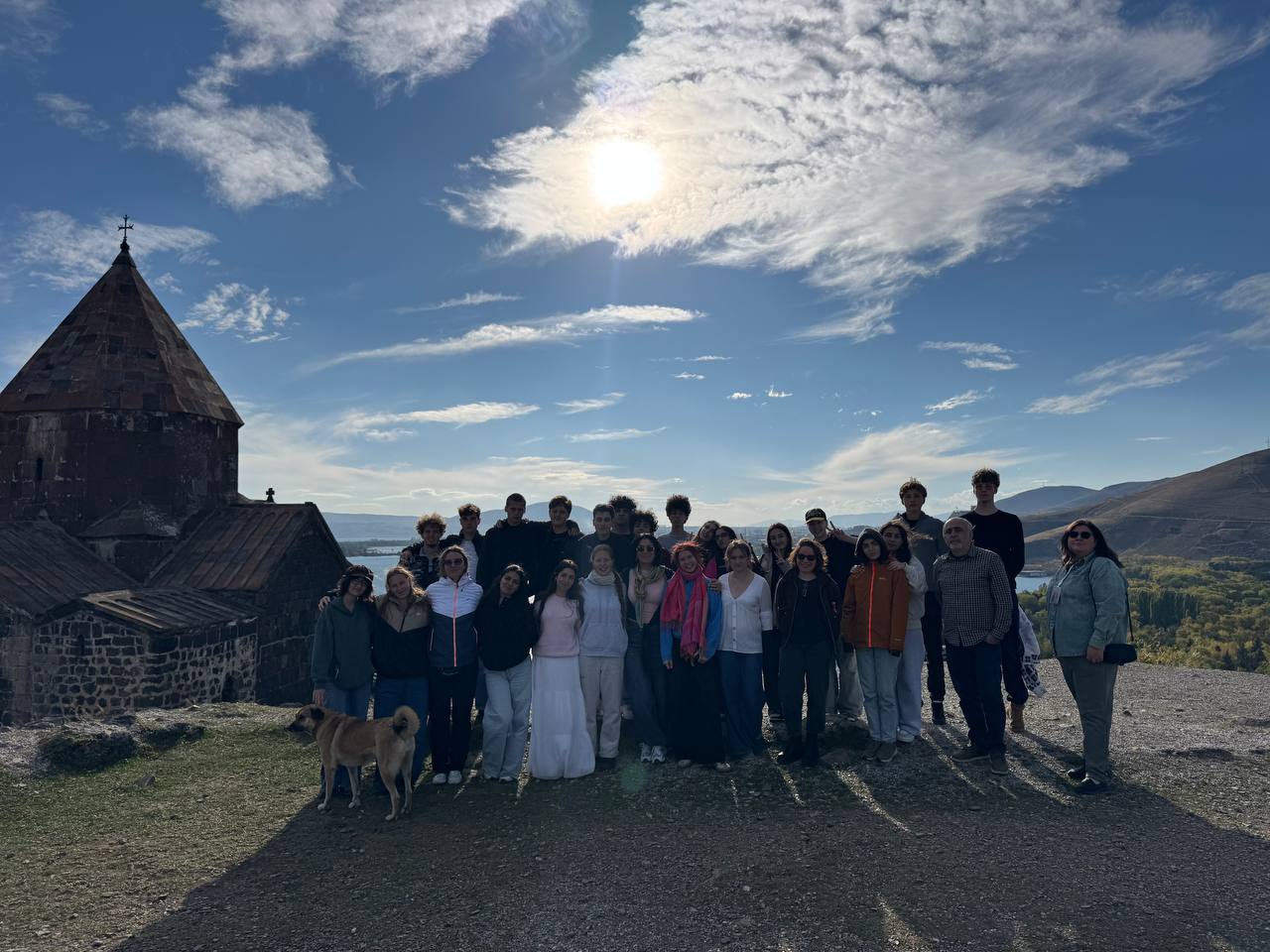
Our German peers were the first to arrive in Yerevan this year. They stayed with Armenian host families, attended lessons together with their Armenian classmates, and explored Yerevan and other places of interest in Armenia.
Perhaps the most captivating part of this experience lies in the unexpected situations of everyday life: spontaneous conversations, funny moments, and even linguistic misunderstandings that arise around the dinner table. These seemingly insignificant moments can sometimes bring people closer and help them get to know one another on a deeper level.
Why is this experience important to us?
Adolescence is a period when young people begin to look beyond the familiar boundaries of the world they have always known. They start questioning long-held beliefs, comparing different perspectives and gradually forming their own understanding of the world.
Intercultural encounters provide fertile ground for this process. Communication across cultures reveals differences in mindsets and ways of thinking: what seems perfectly natural to you may contradict the beliefs and assumptions of someone raised in a different cultural environment. And it is precisely in these moments that we learn to question, listen, disagree and, above all, remain genuinely interested in one another.
Waldorf education emphasises the importance of guiding adolescents beyond the acquisition of knowledge from textbooks. It seeks to nurture their will and desire to explore the world, their genuine interest in other people, and their ability to form independent judgements.
These are precisely the opportunities that intercultural communication offers. It allows young people to experience freedom in an unfamiliar environment, develop a deeper understanding of others and, sometimes, look at their own culture and country from an entirely different perspective.
The two weeks in Yerevan are now behind us, but the story is far from over. This spring, it will be our 11th graders’ turn to travel to Berlin. This time, they will be the guests, stepping outside their familiar surroundings and into a new rhythm of everyday life.
And the friendships that began here in Yerevan are already a wonderful starting point for the journey ahead.